Gear Review · 10 Lines · 2026 · Review
10 Best Fishing Lines for Bass in 2026
Fluorocarbon for clear water, braid for grass, mono for topwater. Ten lines we keep on the boat — and why.
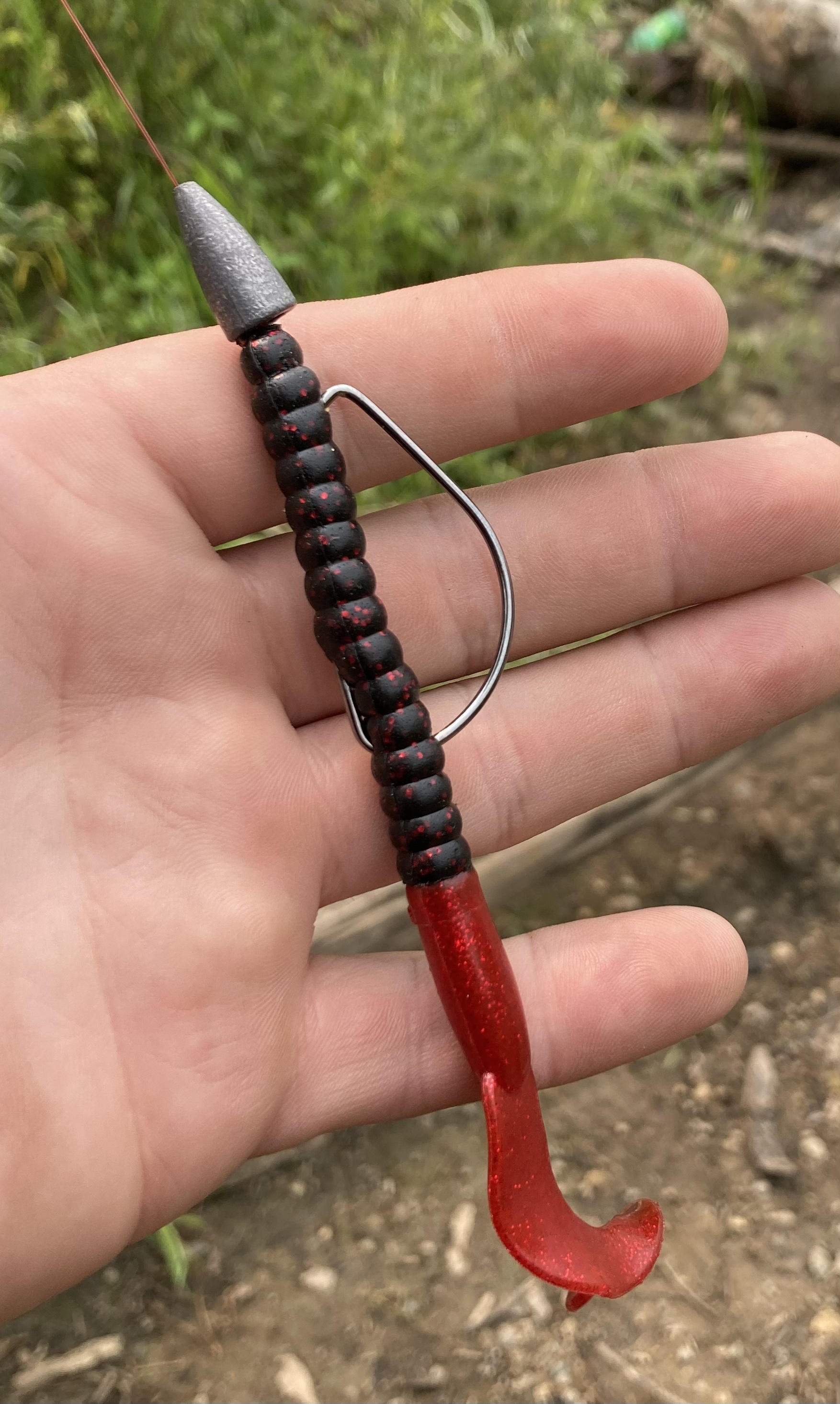
Line is the cheapest performance upgrade you can make to a bass rod. The right line on the right rod with the right lure makes everything tighter — better hooksets, fewer break-offs, more sensitivity, longer casts. The wrong line is invisible until it isn't. Here are ten lines the editorial team keeps on the boat in 2026, broken down by where they earn their keep.
The short rule: fluorocarbon for clear water and finesse. Braid for grass, heavy cover, and everything that requires a lot of pulling. Monofilament for topwater and treble-hooked baits where stretch and floatation earn their keep. Mix and match by application.
Fluorocarbon — clear-water finesse
Seaguar Tatsu Fluorocarbon
Seaguar
Best for: The reference fluorocarbon for clear-water finesse work — drop-shotting, light Texas rigs, and Ned rigs.
Pros
- Industry benchmark for sensitivity
- Casts farther than its line class suggests
- Knot strength is excellent
Cons
- Premium pricing
- Memory issues at colder temperatures
Key features
- Double-structure construction
- Excellent abrasion resistance
- Soft, supple, easy to cast
- 8–17 lb test most useful for bass
Sunline Sniper FC
Sunline
Best for: The everyday fluorocarbon for jig and worm fishing — a step below Tatsu, two steps above generic store-brand fluoro.
Pros
- Excellent value at this price
- Holds up to dragging through rock
- Knots clean
Cons
- Slightly stiffer than Tatsu, less casting feel
Key features
- Stiff, abrasion-resistant
- Low memory
- 10–20 lb test for most bass applications
Berkley Trilene 100% Fluorocarbon
Berkley
Best for: The honest budget fluoro — fills bulk reels and leaders without breaking the bank.
Pros
- Best value fluorocarbon on the market
- Widely available
Cons
- More memory than premium fluoros
- Slightly stiffer feel
Key features
- Real 100% fluorocarbon (not a copolymer)
- Available in 4–25 lb test
- Good knot strength
Braid — heavy cover and grass
Power Pro Spectra
Power Pro
Best for: The default bass braid — works on every reel, every rod, every cover situation.
Pros
- Universal — fits everywhere
- Casts long
- Excellent knot strength
Cons
- Color fades faster than premium braids
Key features
- 8-strand construction
- Available 15–80 lb
- Multiple colors (moss green, hi-vis yellow most useful for bass)
Sufix 832 Advanced Superline
Sufix
Best for: Tournament-grade braid for frogging, heavy flipping, and topwater rigs that demand zero stretch.
Pros
- Best in class abrasion resistance
- Smooth casting
- Long-lasting color
Cons
- Premium price
Key features
- 8-strand with Gore fiber
- 30–80 lb test sweet spot for bass
- Holds color and shape exceptionally
Daiwa J-Braid x8
Daiwa
Best for: The strongest mid-tier braid in 2026 — performance close to Sufix at a Power Pro price.
Pros
- Excellent value
- Round profile lays cleanly on the spool
Cons
- Color fades over heavy use
Key features
- 8-strand round profile
- Multiple test classes (10–80 lb)
- Multiple colors including dark green and chartreuse
Monofilament — topwater and stretch
Berkley Trilene Big Game
Berkley
Best for: The classic choice for topwater walking baits, poppers, and any treble-hooked bait that benefits from stretch.
Pros
- Cheap
- Floats
- Forgiving on hooksets
Cons
- More memory than premium monos
- Heavy diameter
Key features
- Available 6–80 lb test
- High abrasion resistance
- Limp, easy to cast
Sufix Elite Monofilament
Sufix
Best for: Premium mono for crankbait fishing — the slight stretch keeps trebles pinned through a fight.
Pros
- Casts better than Big Game
- Knots cleanly
Cons
- Less abrasion resistance than Big Game
Key features
- Smooth casting
- Available 4–30 lb test
- Low memory
Specialty: braid-to-fluoro leader systems
Seaguar Red Label Fluorocarbon (leader use)
Seaguar
Best for: The everyday leader for braid-to-fluoro systems on spinning reels — cheap enough to retie often.
Pros
- Affordable for leader use
- Reliable knot strength
Cons
- Less invisible than premium fluoros
Key features
- 100% fluorocarbon
- 8–25 lb test useful for bass leaders
- 200 yd spools last forever as leader material
Yo-Zuri Hybrid (when you can't decide)
Yo-Zuri
Best for: The do-it-all line for anglers who don't want to spool different reels for different techniques.
Pros
- Cheaper than fluorocarbon, more invisible than mono
- Bulk spool value
- Forgiving casting
Cons
- Not as sensitive as 100% fluoro
- More stretch than fluoro
Key features
- Fluorocarbon-coated nylon
- Available 6–30 lb test
- Bulk 600-yard spools
How to actually pick: a quick reference
- Drop-shot, finesse worm, Ned rig (clear water): 6–10 lb fluorocarbon. Tatsu or Sniper.
- Texas rig, jig (rocks & sparse cover): 14–17 lb fluorocarbon. Sniper or Trilene 100% Fluoro.
- Frogging, punching, flipping mat: 50–65 lb braid. Sufix 832 or Power Pro.
- Crankbait, jerkbait: 10–14 lb monofilament for stretch. Sufix Elite.
- Topwater walking bait: 14 lb mono main line, or 30 lb braid + 20 lb mono leader for floating leader.
- Spinning rod main line: 10 lb braid + 8 lb fluoro leader (10–12 ft).
- Striper vertical jigging (Lake Mead): 50 lb braid + 20 lb fluoro leader.
- Striper boil topwater (Lake Mead): 30 lb braid + 20 lb fluoro leader.
How often to retie and respool
The cheapest mistake in bass fishing is fishing old line. The editorial team's rules:
- Retie after every fish over 3 lb, after every snag, and at the start of every fishing day.
- Respool fluorocarbon every 3–4 trips, sooner if you fish heavy cover. Fluoro abrades faster than it looks.
- Respool braid once per season for active reels; twice per season for tournament rods.
- Respool mono at the start of every season. Monofilament absorbs water and weakens over time.
The single best line of 2026
If you can only buy one line in 2026, make it Seaguar Tatsu in 12 lb test. It's a finesse line, but at 12 lb it's versatile enough for drop-shots, light Texas rigs, jigs in sparse rock, and even backup spinning reels. It will catch you more bass than anything else in your tackle box that you can spool with line, and once you've fished it for a week you understand why every tournament angler in the country has a spool of it within reach.
Frequently asked questions
Is fluorocarbon really invisible to bass?
Less visible. Fluorocarbon's refractive index is closer to water than monofilament's, which makes it harder for fish to detect. Whether bass can "see" line is debated, but in clear water situations the fluorocarbon advantage is measurable in real-world bite rates.
Can I use the same line for everything?
You can. You shouldn't. Different techniques benefit from different line properties — sensitivity for finesse, no-stretch for hooksets in heavy cover, stretch for treble-hooked baits. A two-line system (one fluoro, one braid) covers 80% of bass fishing well; a three-line system (add mono) covers 95%.
What's the right knot for braid-to-fluoro leader?
FG knot is the gold standard — slim, strong, passes through guides cleanly. Double Uni is the simpler alternative; it's faster to tie but bulkier. For 95% of bass anglers, Double Uni is good enough.
How much does line color matter?
Less than line type. For braid main lines, choose moss green or dark gray for clear water, hi-vis yellow only if you need to watch your line for a take (drop-shotting, dead-sticking). For fluorocarbon and monofilament leaders, clear is the default.
Keep reading
Related from the magazine
Fish Finders · Review
Best Fish Finders 2026: 12 Units Tested Over 6 Months
Six months of side-by-side testing on Lake Mead, ranked across five price tiers — from $200 starter units to $3,000 LiveScope rigs.
May 22, 2026 · 15 min read
Techniques
Fish Finder Settings Every Bass Angler Should Know
Auto mode is fine until it isn't. Here are the sensitivity, ping speed, frequency and color palette tweaks that turn a $1,000 unit into a $3,000 one.
May 8, 2026 · 10 min read
Lakes
Lake Mead Bass Fishing: The Complete Guide for 2026
America's largest reservoir, three bass species, 250 miles of shoreline. Where to fish, when to fish and what's biting in 2026.
May 20, 2026 · 14 min read